

Praying the Headlines
Attention, lament, and refusing to look away (52 ways to pray)

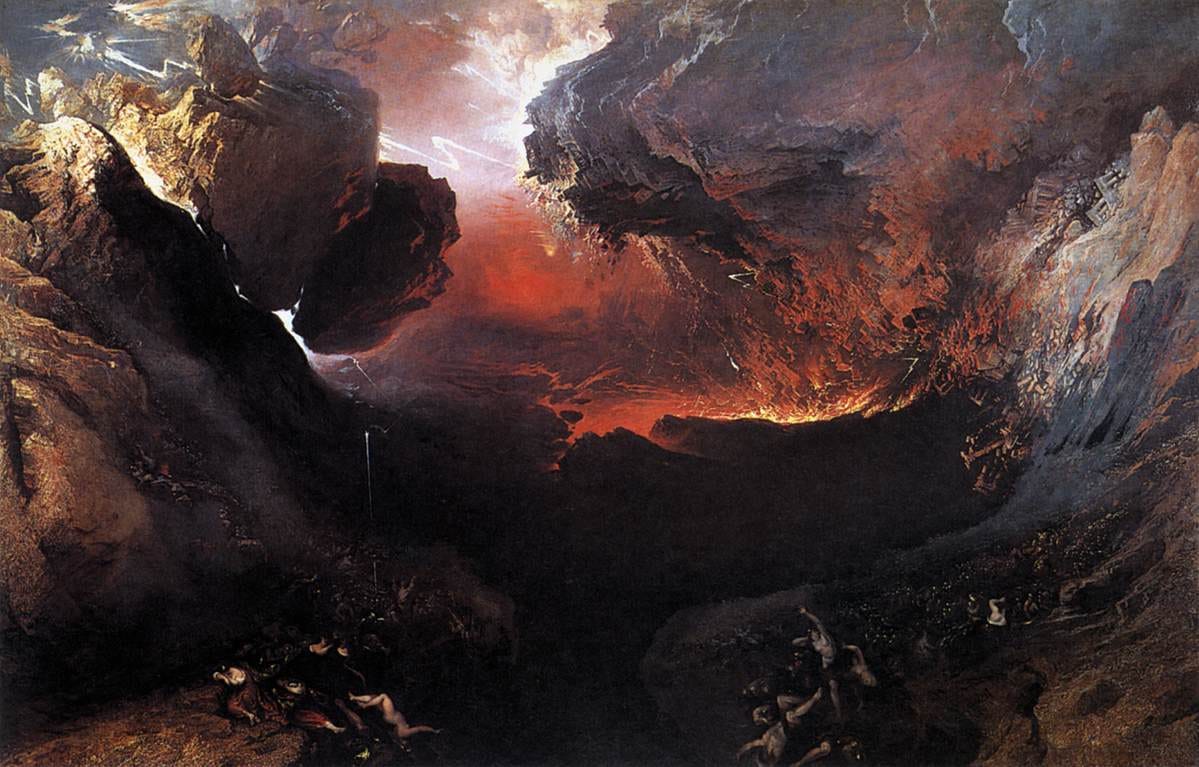
There are a handful of tragedies over the past several years that have gripped me so viscerally that I’ll never forget where I was as they unfolded.
The Bataclan massacre in 2015. The school shootings at Sandy Hook in 2012 and Uvalde in 2022. God help us.
I remember watching the dramatic manhunt for the Boston marathon bombers unfold on live television in 2013.
I remember refreshing Twitter in the winter of 2019, reading with fascination and dread about a virus that was locking down the Wuhan province in China.
Today there is no end to the stream of intrigue, controversy, and violence that fills our feeds and screens.
I try to keep a measured relationship with the news. I want to be informed and understand what is coloring the national consciousness—it’s hard to lead people well if I don’t know what’s weighing on them. But I also don’t want my mood or my mind to be commandeered by algorithmic outrage. It’s a delicate balance that I don’t always walk well. And it raises a question we all wrestle with:
How are we to practice our faith in light of the turbulence that’s always boiling around us?
Often the easiest decision is to detach altogether. Delete social media. Cut the cord on cable news. Become blissfully ignorant of what’s happening in the world and retreat to our own spiritual oases away from all the strife.
But that is not our assignment. Our task is, as NT Wright has said, “to stand in prayer in the places where the world is in pain, so that God’s own spirit may be there to intercede for the world.”
Richard Foster, in Celebration of Discipline, suggests a specific form of prayer that he refers to as “meditation on current events.” This is a way of praying that does not shield us from the chaos and heartache of the world; it brings us right into the heart of it.
When approached prayerfully, meditating on current events can shape us in three powerful ways:
First, it becomes our primary platform to lament with the world and to contend for justice. It should grieve us when we hear of children killed in war in the Middle East, or when we learn of poverty across the world or across town. While we may act, and often should act, in tangible ways, prayer is our front line against darkness.
Second, it cultivates empathy and humility in us.
Father Ronald Rolheiser said “A mature person watching the news at night and seeing the world’s wars, violence, and wounds responds with empathy because she already recognizes within herself that same complexity, neediness, pride, greed, and lust that lie at the root of all that unrest.”
We don’t only contemplate the brokenness of the world in order to condemn it, but also to remember that we, too, are broken. That, but for God’s grace, we would only be one bad day away from falling in with the sin and violence that rages around us.
Finally, meditating on today’s turbulence expands our perspective. We gain, for a little while, a heavenly vantage point on things. We remember that God cherishes all of creation, and that the Kingdom concerns far more than just our own corner of the world. And here we enter into the deep, messy, uncomfortable wrestle of asking “Why, O God?” This is not for the faint of heart.
“The person who has meditated on the passion of Christ but has not meditated on the extermination camps of Dachau and Auschwitz has not fully entered into the experience of Christianity in our time.”
- Thomas Merton
Practice
Richard Foster spoke of this practice as praying with a Bible in one hand and a newspaper in the other.
Start by acquainting yourself with what’s going on right now.
Pull up the website of any given news agency, watch the evening news, scroll Twitter’s “explore” page, or pick up a literal newspaper.
Don’t stay too long, but prayerfully look through the headlines, asking the Spirit to highlight something to you.
Resist to urge to analyze, react, or opine—let this be a discipline of staying sensitive to what God wants to break your heart for.
Ask:
What grief does this awaken in me?
What does this reveal about the human condition?
What does this convict in me?
Where do I see the image of God being distorted or wounded?
How might God desire restoration, mercy, justice, or healing here?
Sit in the tension of it all for a while.
Weep if you will. Implore God’s mercy. Confess. Ask for perspective, insight, and power. Allow your prayer to become a bridge between heaven and an anguished earth.
Amen.
Comment below:
How do you personally stay informed without becoming overwhelmed or spiritually numb?
Has there ever been a news event or tragedy that deeply shaped your spiritual life or view of the world?
What role do lament and intercession play in your spiritual life right now?
If this stirred something in you, share it with a friend:
To receive more posts like this and join the community, subscribe now:
Related practices:
Weeping with the World

This is the prayer I have been afraid to write about. Not because it isn’t meaningful—it’s perhaps the most meaningful of any practice in this series. But because it’s so heavy.
The Banned Prayer

Between 1976 and 1983, as many as 30,000 people disappeared throughout throughout Argentina.

Grace and peace.
-gb
whoa JUST posted something about lament! Amen and Amen bro 🙏🏼 its a language lost in the Church today