

Invoking Jesus
The Prayer of the Heart (52 ways to pray)

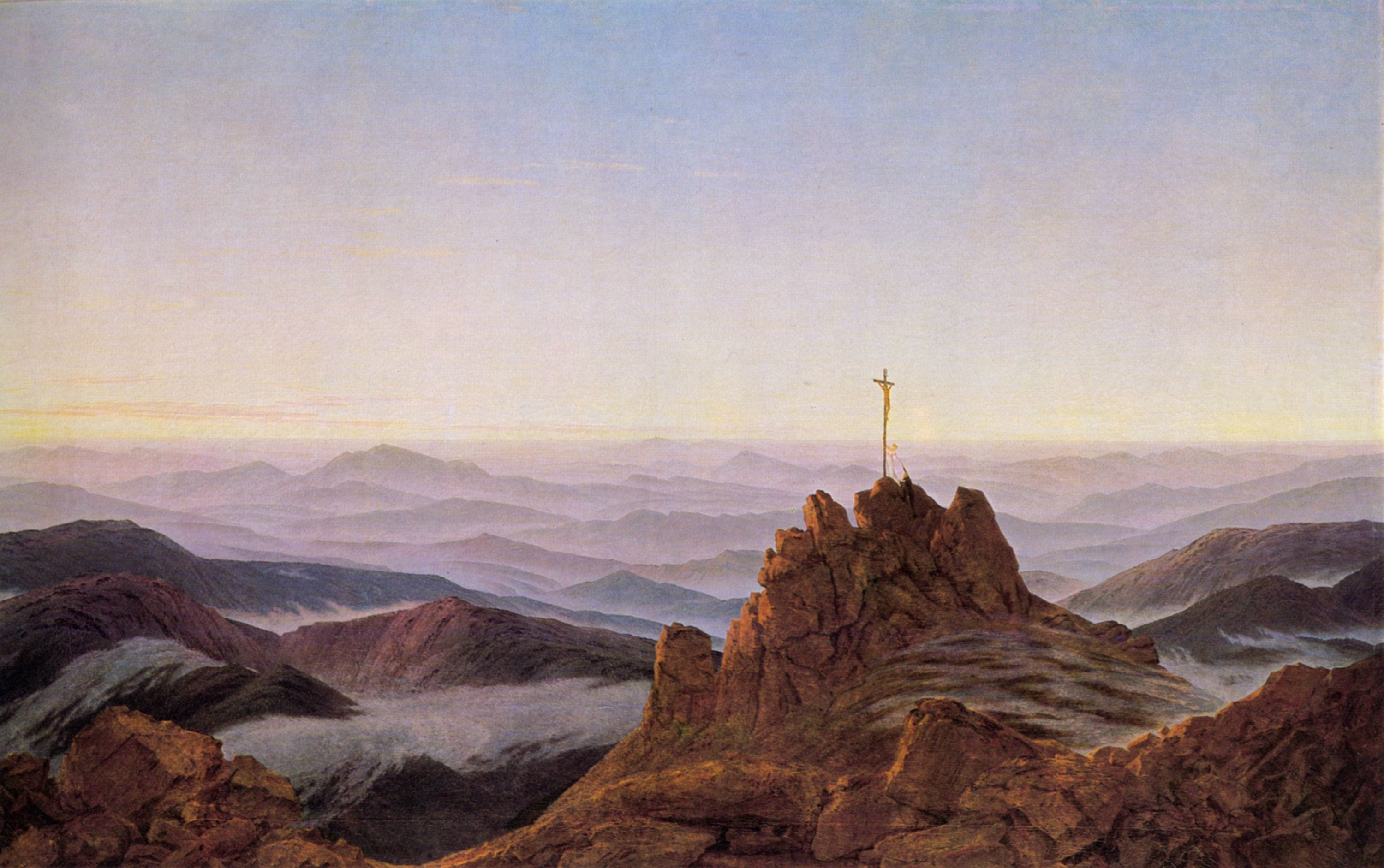
At the same time that the Roman Empire was being converted into a Christian Empire, its deserts were teeming with a strange group of runaways.
They were not pagans clinging to their old gods, fleeing from imminent persecution by the new Christian authorities. They were Christians themselves—a collection of ascetics who sensed that a society in which Bishops whispered in the ears of Emperors could be even more dangerous to the Christian soul than the violent persecutions that had preceded it.
The Desert Fathers, as they came to be known, sought the wild solitude of Egypt, Syria, and Lebanon so that they could experience God away from the distractions and temptations of the city. They battled with both demons and their own destructive thoughts in the desert and aimed to forge a life of unceasing prayer.
These desert monastics developed a technique of constantly repeating short prayers, out loud and in their mind, as a way to ward off distraction and focus their attention on Jesus. This approach became the seed of Hesychastic prayer, a contemplative tradition that grew in the Eastern church and remains a vital part of Orthodox devotion to this day.
Its central movement is known as The Jesus Prayer, or The Prayer of the Heart:
Lord Jesus Christ, Son of God, have mercy on me, a sinner.
The Jesus Prayer has remained a cherished practice in Eastern Christian spirituality since the Middle Ages. It is meant to be repeated rhythmically, over and over, as often as one can, so that it becomes like one’s own breath. It functions somewhat like a mantra—a verbal anchor that tethers the mind to Christ and centers the soul against the distractions of life. In one short prayer, the entirety of the gospel is summarized. As we say it, we slowly internalize the good news.
St. Hesychios saw this prayer as training for the soul and as weaponry for a very real spiritual war. The name of Jesus, he wrote, “scourges and sears our secret enemy.”
“Let your soul, then, trust in Christ, let it call on Him and never fear; for it fights, not alone, but with the aid of a mighty King, Jesus Christ, Creator of all that is, both bodiless and embodied, visible and invisible.”
-St. Hesychios
This prayer is the one I pray more than any other. When my mind is scattered, when I’m overwhelmed, when I feel tempted, when I feel weak—in every circumstance this ancient prayer is like a lighthouse, calling me back home to Christ again.
Practice
“The more the rain falls on the earth, the softer it makes it; similarly, Christ’s holy name gladdens the earth of our heart the more we call upon it.”
-St. Hesychios
Set aside five or ten today to pray the Jesus Prayer slowly and attentively:
Lord Jesus Christ, Son of God, have mercy on me, a sinner.
You may choose to pray it in rhythm with your breathing:
Inhale: Lord Jesus Christ, Son of God...
Exhale: ...have mercy on me, a sinner.
Repeat the prayer slowly for several minutes. When your mind wanders—as it inevitably will—gently return to the words.
Throughout the coming week, return to this prayer whenever you find yourself anxious, distracted, tempted, overwhelmed, or simply in need of remembering God’s presence.
Pray it while driving, walking, waiting in line, or lying awake at night.
Allow it to become a kind of inner refrain—a small flame continually burning within you.
The goal is not empty repetition, but loving attention. Over time, may the prayer descend from your lips into your mind, and from your mind into your heart.
Amen.
Comment below:
What happens in your heart and in your mind when you simply call on the name of Jesus?
What do you think it means to pray “unceasingly?”
If this stirred something in you, share it with a friend:
To receive more posts like this and join the community, subscribe now:
Related prayer practices:
Within Your Wounds, Hide Me.

Of all the prayer practices I have studied over the past year, none have taken my breath away like the Anima Christi.
The Bloody Prayer

In 2004, Mel Gibson’s The Passion of the Christ debuted. It was sensational for many reasons, but what dominated the public conversation about the film was its gory and gut-wrenching depiction of Jesus’ torture and execution. For the millions who saw it, Christian and non-Christian alike, it was …
The Prayer of Repentance

In the age of “attractional” churches, where we have made encouragement, hope, and fun the billboards of our faith, we have let go of an essential aspect of our worship: remorse.

Grace and peace.
-gb